Brand Comparison
Philips Hue vs TP-Link Tapo.
Which one is actually worth it?
Hue costs 4× more than Tapo. Is it 4× better? The honest answer - with a clear recommendation for each type of buyer.
Find my setup →Budget + simplicity → Tapo. Premium app + full ecosystem → Hue. For most people: Tapo, no question.
👇 Go Tapo if budget matters. Go Hue if you want the best-in-class app, color accuracy, and long-term ecosystem support.
Which one is right for you?
I want the cheapest option that actually works
Best valueBudget is the priority. You want smart lights, not a project.
→ Tapo - hands down
I want the best reliability and ecosystem
You're building a long-term smart home, not testing the waters.
→ Philips Hue - worth every cent
I'm building a large smart home (10+ lights)
Scale and stability matter more than upfront cost.
→ Hue with Bridge - the only right answer at scale
The fundamental difference
💶
Price
Tapo L530E: ~€13. Hue White & Color E27: ~€50. That's a 4× price difference. The Hue Bridge adds another €60. For 5 bulbs: Tapo = €65 total vs Hue = €310 total.
📡
Protocol
Tapo: Wi-Fi - connects to your router like a phone. Hue: Zigbee - a separate mesh network via the Bridge. Zigbee is more reliable, faster, and doesn't congest your Wi-Fi.
🔗
Ecosystem depth
Tapo: solid app, Alexa/Google, basic automations. Hue: the deepest ecosystem in smart lighting - 300+ accessories, Matter certified, local control, multi-room sync.
Our tool finds your ideal setup in 60 seconds.
Find my setup →Head-to-head comparison
| Option | Pros | Cons | Best for |
|---|---|---|---|
TP-Link Tapo L530E🏆 TP-Link Tapo |
|
| 1–5 bulbs, beginners, renters |
Philips Hue White & Color |
|
| 5+ bulbs, serious smart home builders |
💡 Tip
Both brands support Alexa, Google Home, and HomeKit - ecosystem compatibility is not a differentiator here.
Best value for 90% of people.
TP-Link Tapo
Half the price of Hue, no hub required, works with every major assistant. Unless you need the premium Hue experience, Tapo is the smarter buy.
See top Tapo picks →⚠ Buying mistakes to avoid
- 1
Buying Hue for 1–2 bulbs
The Hue Bridge costs €60 and only makes sense at 5+ bulbs. For 1–2 bulbs, Tapo gives you 90% of the experience at 25% of the cost.
- 2
Buying Tapo for a 15-light whole-home install
At 15 Wi-Fi devices, you'll start seeing router congestion, occasional dropouts, and reliability issues. Hue's Zigbee mesh handles 50 bulbs without blinking.
- 3
Thinking Hue = better in every situation
In a small apartment with 3 lamps and a basic Alexa setup, Tapo is genuinely the better choice. Not everything needs to be premium.
- 4
Buying Innr bulbs for a Tapo setup
Innr is Zigbee - it won't work with Tapo's Wi-Fi app. Zigbee devices need a Zigbee hub. If you're building Wi-Fi, stick to Wi-Fi brands.
Not sure which one is right for you?
Find my setup →Buy the right option
The clear recommendation for each buyer type.
Tight budget or just starting out? → Tapo wins.
 #1
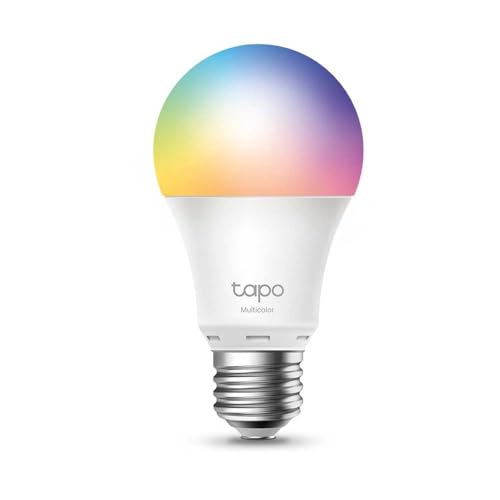
#1TP-Link Tapo L530E
The budget winner. At €13 with no hub, it's the best smart bulb for 90% of beginners. Colours, dimming, schedules, Alexa, Google Home - it does everything you need.
Best for:Best for: beginners, renters, 1–5 bulbs.
Building for the long term? → Hue is the right foundation.
 #2
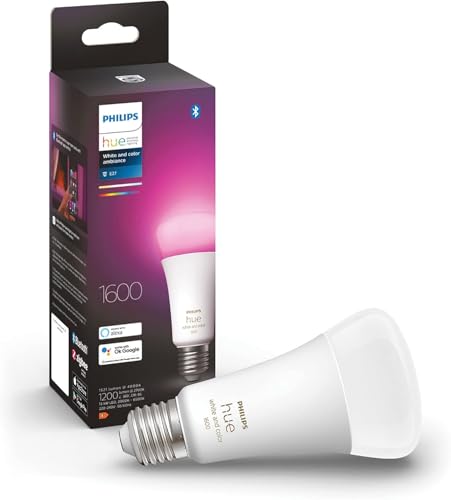
#2Philips Hue White & Color Ambiance E27
The premium winner. Unmatched reliability, the richest colour spectrum, local Zigbee control, and a decade-proven ecosystem. Worth every cent at scale.
Best for:Best for: 5+ bulbs, long-term investment, reliability-first.
Going Hue? → Start with the kit, not individual bulbs.
 #3
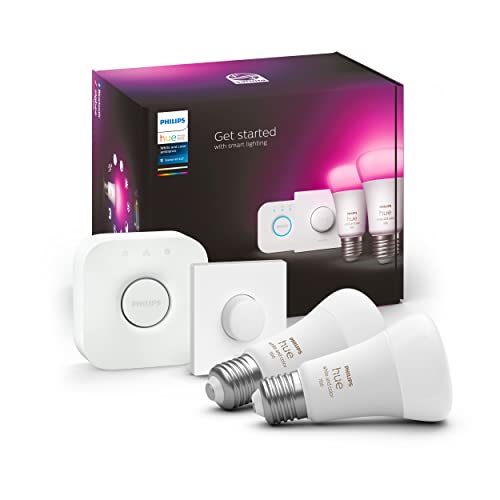
#3Philips Hue Starter Kit (2 bulbs + Bridge)
The best way to start Hue. The Bridge is included, two bulbs to start, and you can expand over time. Better value than buying Bridge + bulbs separately.
Best for:Best entry to Hue - complete kit, nothing else needed.
Who should buy which
🏠
Renter with 2 lamps
Tapo. 2 bulbs, €26, done in 5 minutes. Zero reason to buy Hue here.
🏡
Homeowner with 8 light points
Hue. Reliability matters at this scale. Zigbee mesh handles it effortlessly. Local control = no internet dependency.
🧪
Complete beginner testing smart home
Tapo first. If you love it, upgrade to Hue later. The Tapo L530E is the perfect try-before-you-commit bulb.
🎨
Ambiance enthusiast
Hue. The colour accuracy, sync accessories, and scene ecosystem are genuinely ahead of Tapo. If ambiance matters, pay for Hue.
🚀 Quick recommendation
Go Tapo if budget matters. Go Hue if you want the best-in-class app, color accuracy, and long-term ecosystem support.
Still not sure which brand fits your home?
Answer 5 questions about your setup and budget - and get a personalised recommendation between Hue, Tapo, and everything in between.
Find my setup →Free · 60 seconds · No account needed
Frequently asked questions
Can Tapo and Hue bulbs work together?
Not natively - they use different protocols (Wi-Fi vs Zigbee) and different apps. With Home Assistant, you can control both from one interface, but for most users they remain separate.
Is Philips Hue worth the money?
At 5+ bulbs: yes. At 1–2 bulbs: probably not. The Hue Bridge adds €60 of fixed cost - that investment only makes sense once you have enough bulbs to justify it.
Does Tapo work offline?
Basic schedules work offline - the bulb caches them locally. Voice control and remote app control require internet. Local network control (same Wi-Fi) usually works offline.
Can I add Hue bulbs to an existing Tapo setup?
You'll need the Hue Bridge and the Hue app as a separate system. With Home Assistant you can unify them. Without HA, they remain two separate ecosystems.
What happened to the IKEA TRÅDFRI?
IKEA has transitioned to the DIRIGERA hub and new DIRIGERA-compatible bulbs. They're still good value for Zigbee but the ecosystem is smaller than Hue. Worth considering for budget Zigbee setups.